Global Japanese Sushi Rolls
Highlighted under: Asian Styles
I absolutely love making sushi at home, and these Global Japanese Sushi Rolls have become a favorite in my kitchen. The beauty of sushi lies not just in its taste but also in its presentation. Each roll is an art piece waiting to be devoured. I find joy in combining fresh ingredients with various flavor profiles, and experimenting with different fillings has brought out my creative side. Plus, it’s a fun activity to do with friends or family, making it a perfect way to bond over delicious food.
Creating sushi rolls at home has given me the chance to explore various global flavors while staying true to traditional Japanese cuisine. Each time I roll sushi, I discover the perfect balance of freshness and texture, and I love switching up the fillings based on what I have on hand. For instance, adding a hint of cream cheese or spicy mayo elevates the flavor profile without losing that authentic sushi essence.
What makes these rolls special is their versatility. I can pair salmon with avocado for a classic taste, or even add fruits like mango for a tropical twist. The key is in using fresh produce and high-quality fish; it truly makes a difference in the final dish. Trust me, once you get the hang of rolling, you'll enjoy every bite you create!
Why You'll Love This Recipe
- Versatile fillings that can be customized to your taste
- A fun activity for family and friends to do together
- Creative presentation makes every meal special
Ingredients Matter
For the best sushi rolls, the quality of your ingredients is crucial. Using sushi-grade fish is non-negotiable; it ensures the safety and flavor of your rolls. Look for fish with a bright color and a clean smell—avoid any that appears dull or has an off-odor. If you're not familiar with sashimi-grade fish, check your local fish market and ask for recommendations. It's also a good idea to scout for organic vegetables; they tend to have better flavor and texture, which enhances the overall quality of your sushi.
When it comes to the rice, proper rinsing is key to achieving that perfect sticky texture. Rinsing under cold water helps remove excess starch, which can cause the rice to become gummy. After cooking, let the rice cool without stirring to maintain its firm texture. You’ll also notice that folding in the vinegar mixture while the rice is warm allows the grains to absorb the flavor effectively, which is vital for an authentic sushi experience.
Rolling Techniques
Rolling sushi can be tricky if you're new to it, but a few tips can make it easier. When spreading the rice on the nori, keep a wet hand to prevent sticking, and don’t overload on the fillings; a thicker roll is harder to handle. Aim for a balance between ingredients, so you get a burst of flavors with each bite. Experiment with layering your ingredients—try placing avocado with salmon for creaminess, or crab with cucumber for a refreshing crunch.
Be mindful of the pressure you apply while rolling; too much can squish your ingredients out, while too little may leave the roll loose. A gentle but firm roll ensures everything stays in place. The mat is your best ally here; use it to shape your roll after you’ve completed it, pressing slightly to create a tightly packed sushi roll.
Serving Suggestions
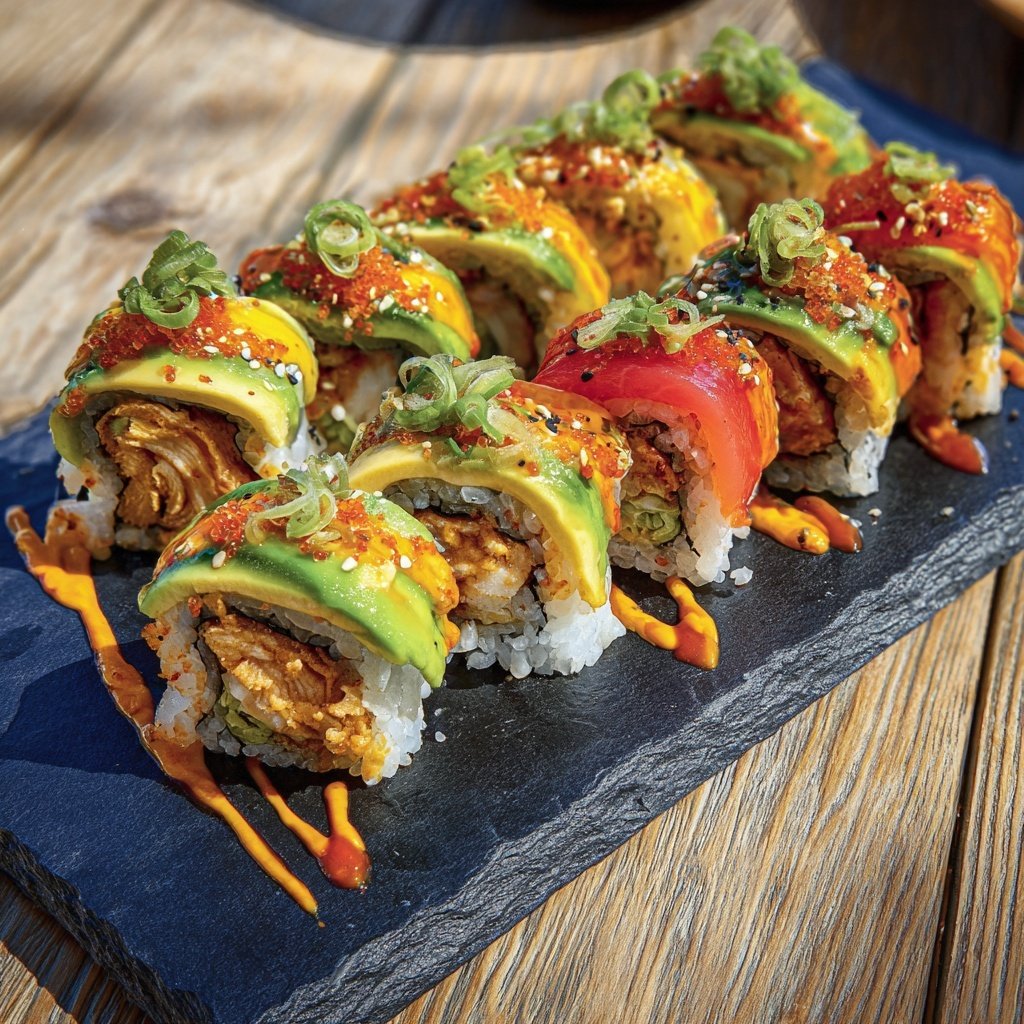
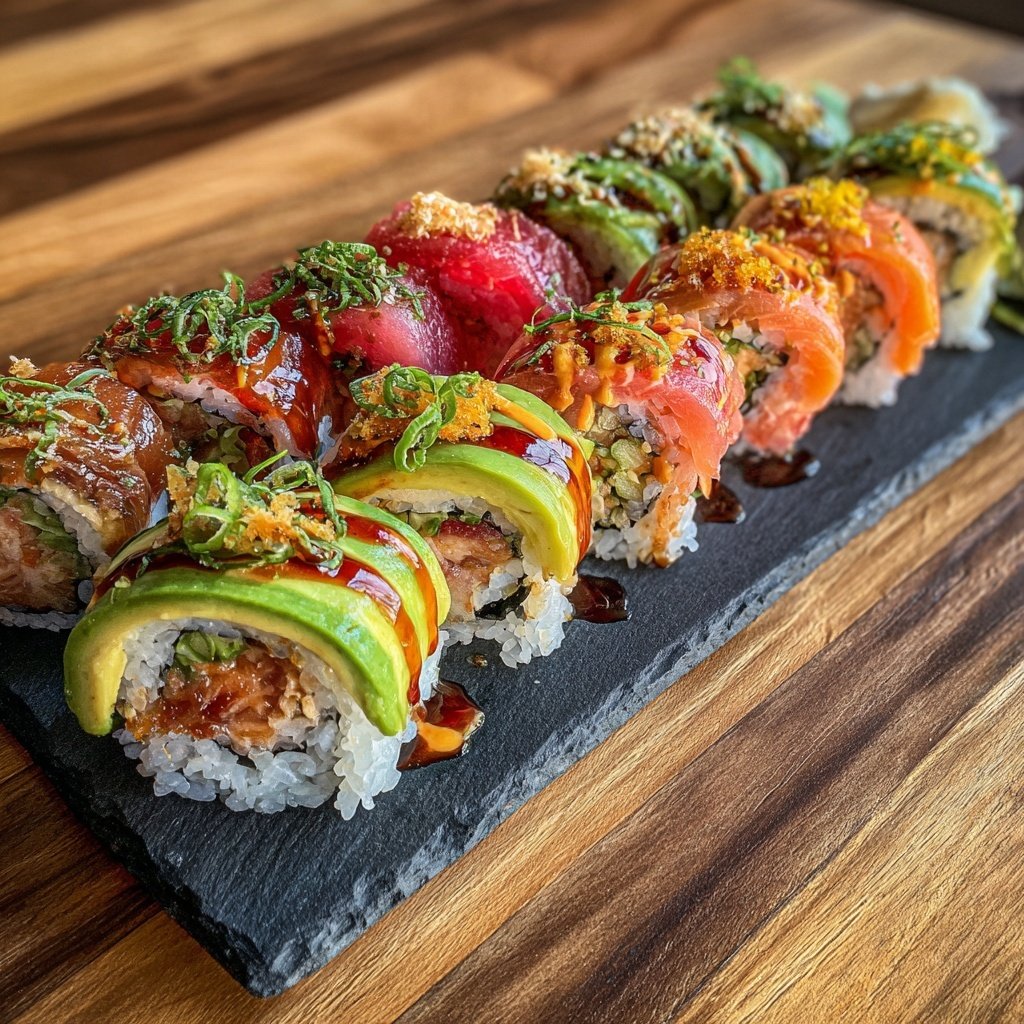
Presentation is half of the fun with sushi. Consider garnishing your rolls with sesame seeds or thin slices of radish for a pop of color. If you're feeling adventurous, a drizzle of spicy mayo or eel sauce can elevate the dish significantly. Serve your rolls on a wooden board or a slate platter for an authentic Japanese dining experience. Pair the meal with traditional sides like edamame or miso soup for a full-course feast.
If you have leftover sushi rolls, store them in the refrigerator wrapped in plastic wrap to maintain freshness; however, consume within 24 hours for the best quality. You can also create a simple sushi bowl by slicing the rolls and serving them over mixed greens with a drizzle of soy sauce, making for a delicious way to enjoy any leftovers!
Ingredients for Global Japanese Sushi Rolls
Sushi Rice
- 2 cups sushi rice
- 2 1/2 cups water
- 1/4 cup rice vinegar
- 1 tablespoon sugar
- 1 teaspoon salt
Fillings
- 1 avocado, sliced
- 1 carrot, julienned
- 1 cucumber, julienned
- 4 oz. salmon, sashimi grade
- 4 oz. crab meat (or imitation crab)
- Cream cheese (optional)
For Rolling
- 4 sheets of nori
- Soy sauce for serving
- Wasabi and pickled ginger (optional)
Preparation Steps
How to Make Sushi Rolls
Prepare the Sushi Rice
Rinse the sushi rice under cold water until the water runs clear. Combine the rinsed rice with water in a rice cooker and cook according to the manufacturer's instructions. Once cooked, let it cool for about 10 minutes. In a small bowl, mix rice vinegar, sugar, and salt until dissolved, then gently fold this mixture into the cooled rice.
Assemble the Rolls
Place a bamboo sushi mat on a flat surface and lay a sheet of nori, shiny side down. Moisten your hands with water and grab a handful of sushi rice, spreading it evenly over the nori, leaving a 1-inch border at the top. Arrange your desired fillings along the bottom edge of the rice.
Roll It Up
Lift the edge of the mat closest to you and start rolling tightly away from you, tucking in the fillings as you go. Once rolled, use the mat to shape and compress the roll. Seal the edge with a little water.
Slice and Serve
Using a sharp knife, slice the roll into 6-8 pieces, wiping the knife with a damp cloth between cuts to prevent sticking. Serve with soy sauce, wasabi, and pickled ginger.
Enjoy Your Sushi Rolls!
Pro Tips
- Feel free to experiment with different fillings like tempura shrimp, spicy tuna, or even fruits like thinly sliced mango or pineapple for a sweeter roll. Having sharp knives and a little patience will help you create beautiful, photogenic sushi at home!
Storing and Reheating
While sushi is best enjoyed fresh, you can store leftover rolls wrapped tightly in plastic wrap in the refrigerator. It’s important to eat them within 24 hours, as the rice can dry out and lose its texture. Avoid freezing sushi rolls, as the ingredients may not hold up well to thawing. If you're making sushi ahead of time for an event, prepare the rice and fillings separately, then assemble just before serving to ensure the best flavor and texture.
For reheating sushi rice, gently re-steam it or sprinkle with a little water and microwave in short intervals, checking for softness. Reheating can help restore moisture, but remember that sushi-grade fish is not suitable for reheating, so it’s best to use cooked or vegetarian fillings for making ahead.
Variations to Explore
Don't hesitate to get creative with your sushi fillings! You can easily swap in different proteins such as shrimp, tuna, or even tempura vegetables for a unique twist. Additionally, for a vegetarian version, consider using sautéed mushrooms, marinated tofu, or pickled vegetables to add flavor and texture. If you like spicy food, a touch of sriracha or jalapeño adds a kick without overwhelming the dish.
Another fun variation is to create inside-out rolls, known as uramaki, where the rice is on the outside. To achieve this, you’ll need to spread the rice on the bamboo mat before placing the nori, then add fillings and roll it up accordingly. This style not only looks impressive but also allows for more imaginative toppings, such as tempura flakes or a sprinkling of furikake for extra flavor.
Questions About Recipes
→ Can I use quinoa instead of sushi rice?
Yes, quinoa is a fantastic gluten-free alternative to sushi rice, although the flavor and texture will differ.
→ Is it safe to use raw fish at home?
Ensure you buy sashimi-grade fish from reputable sources and keep it chilled until ready to use to ensure safety.
→ What if I don't have a bamboo mat?
You can use a clean kitchen towel as an alternative or simply roll by hand, though it may take a bit more practice.
→ How should I store leftover sushi?
Store sushi in an airtight container in the refrigerator for up to a day. Keep in mind that the rice may harden, so consume as soon as possible.
Global Japanese Sushi Rolls
Created by: The Chefivanrecipes Team
Recipe Type: Asian Styles
Skill Level: Intermediate
Final Quantity: 4 rolls
What You'll Need
Sushi Rice
- 2 cups sushi rice
- 2 1/2 cups water
- 1/4 cup rice vinegar
- 1 tablespoon sugar
- 1 teaspoon salt
Fillings
- 1 avocado, sliced
- 1 carrot, julienned
- 1 cucumber, julienned
- 4 oz. salmon, sashimi grade
- 4 oz. crab meat (or imitation crab)
- Cream cheese (optional)
For Rolling
- 4 sheets of nori
- Soy sauce for serving
- Wasabi and pickled ginger (optional)
How-To Steps
Rinse the sushi rice under cold water until the water runs clear. Combine the rinsed rice with water in a rice cooker and cook according to the manufacturer's instructions. Once cooked, let it cool for about 10 minutes. In a small bowl, mix rice vinegar, sugar, and salt until dissolved, then gently fold this mixture into the cooled rice.
Place a bamboo sushi mat on a flat surface and lay a sheet of nori, shiny side down. Moisten your hands with water and grab a handful of sushi rice, spreading it evenly over the nori, leaving a 1-inch border at the top. Arrange your desired fillings along the bottom edge of the rice.
Lift the edge of the mat closest to you and start rolling tightly away from you, tucking in the fillings as you go. Once rolled, use the mat to shape and compress the roll. Seal the edge with a little water.
Using a sharp knife, slice the roll into 6-8 pieces, wiping the knife with a damp cloth between cuts to prevent sticking. Serve with soy sauce, wasabi, and pickled ginger.
Extra Tips
- Feel free to experiment with different fillings like tempura shrimp, spicy tuna, or even fruits like thinly sliced mango or pineapple for a sweeter roll. Having sharp knives and a little patience will help you create beautiful, photogenic sushi at home!
Nutritional Breakdown (Per Serving)
- Calories: 350 kcal
- Total Fat: 8g
- Saturated Fat: 1g
- Cholesterol: 30mg
- Sodium: 600mg
- Total Carbohydrates: 62g
- Dietary Fiber: 3g
- Sugars: 5g
- Protein: 9g